Breaking: Astronaut Anil Menon Set for July Soyuz Launch to ISS
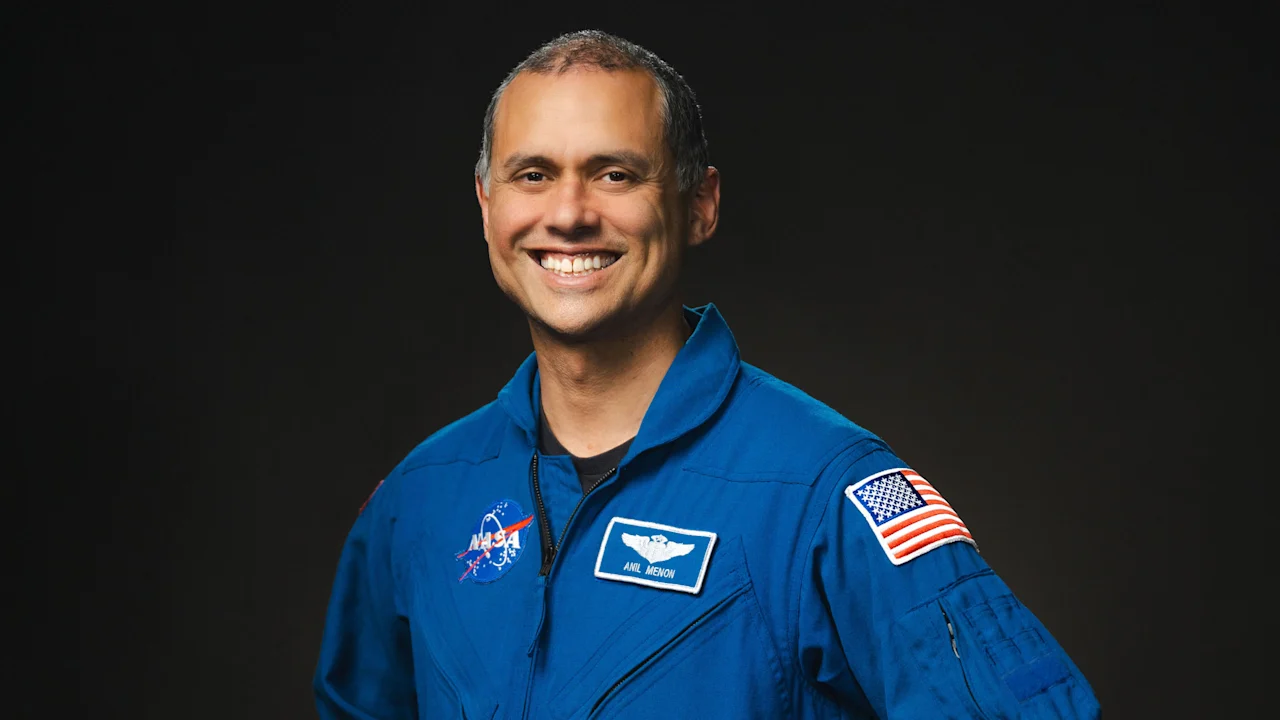
NASA astronaut Anil Menon will launch to the International Space Station this July aboard a Russian Soyuz spacecraft, marking his first orbital flight after years of shaping spaceflight from the ground. Menon will travel to Kazakhstan to join two cosmonauts for an eight-month mission, the agency confirmed.
Background
Menon’s résumé is unusually broad. He served as a NASA flight surgeon, then became SpaceX’s medical director in 2018, authoring research on microgravity's effects on the human body. In 2021, he was selected as a NASA astronaut and has been training ever since.
He also supported his wife, Anna Menon, who flew to space on a private mission in 2024 and was herself selected as a NASA astronaut last year. Beyond space medicine, Menon remains an Air Force Reserve member and an emergency room doctor.
What This Means
Menon’s mission highlights the enduring partnership between NASA and Roscosmos, where astronauts and cosmonauts fly on each other’s vehicles. His experience across NASA, SpaceX, and Russia’s program gives him a rare, integrated perspective on spaceflight cultures.
“NASA kind of bridges the gap between some of these different cultures and synthesizes it,” Menon said. “As we look at the moon, everyone is going to pursue that as well. I think that NASA is this great synergy for all of that.”
Comparing Spacecraft: Soyuz vs. Crew Dragon
In an interview, Menon contrasted the Soyuz's heritage design with SpaceX's modern approach. “The Soyuz was developed for some of the first space flights and it’s got this long heritage… They’ve tried to keep things that work,” he said.
“Some of the computers and screen layouts are push-button… They work. The same goes for engines and seats. Most early Russian astronauts were shorter, so someone 6’1’’ like me doesn’t fit as well, but I fit,” Menon added, describing the spacesuit’s rubber pressure seal secured with bands.
SpaceX, born in this era, is pushing engineering frontiers, he noted. The interview was edited for clarity and length.
Looking Ahead
Menon’s journey underscores the evolving landscape of human spaceflight, with commercial stations and lunar missions on the horizon. His medical and operational expertise will inform questions about microgravity’s long-term effects on the body.