Drill Bit Freed After Complex Maneuvers
Urgent Update — May 1, 2026, 10:30 AM ET
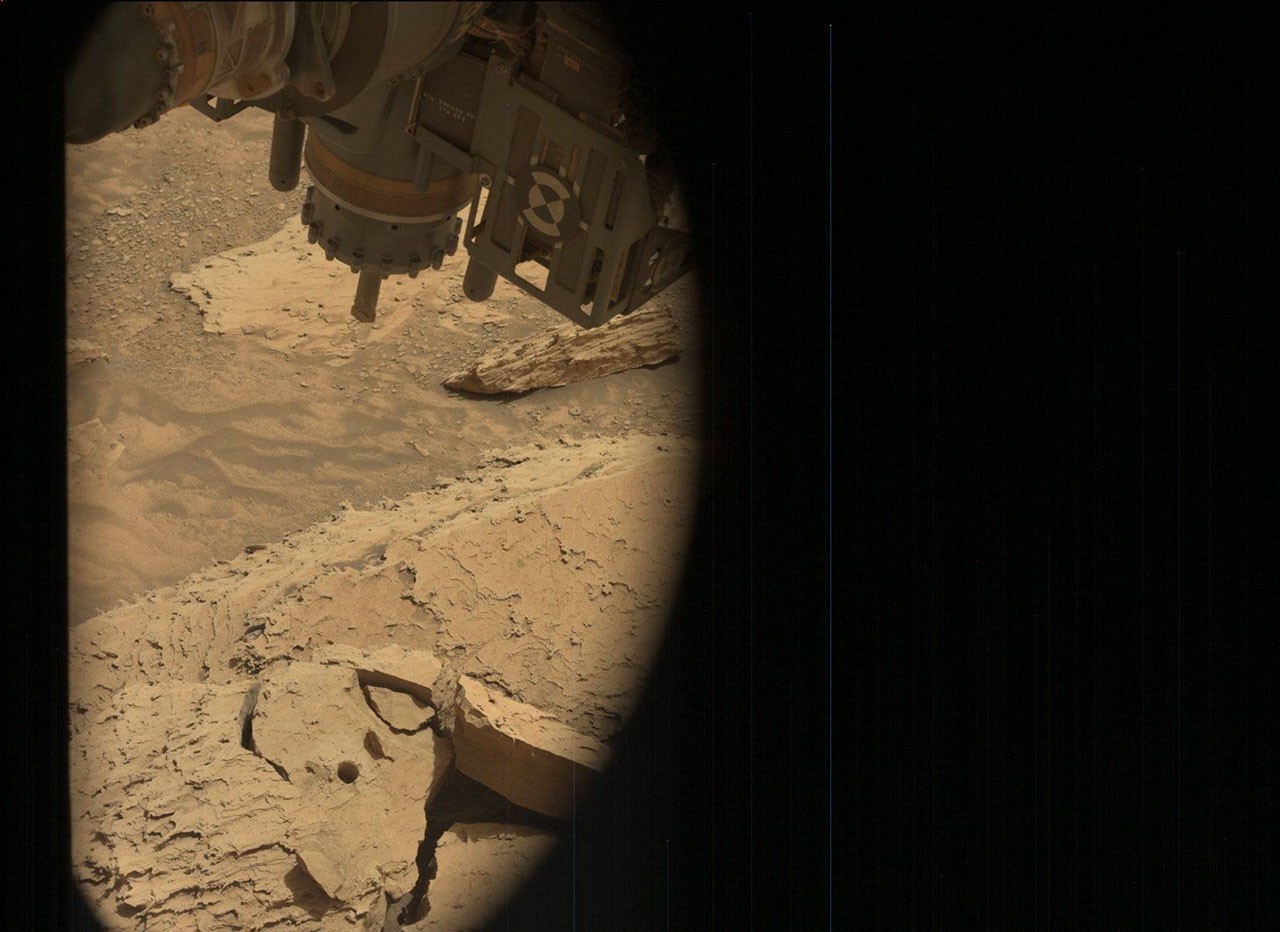
NASA’s Curiosity rover successfully extracted its drill bit from a detached rock block on Mars after a week of intensive efforts, mission engineers confirmed Friday. The problem began when the rover attempted to sample the “Atacama” target and the stone lifted off the ground still attached to the drill.
“It was a tense few days — we had to carefully reposition the arm and use percussion to shake the block loose without damaging the hardware,” said William Farrand, senior research scientist at the Space Science Institute. “The team executed a series of moves that eventually freed the bit.”
The block, which weighed about the size of a small boulder, had become detached from the underlying bedrock. Engineers altered the drill’s orientation and ran short percussive bursts to vibrate the rock off. The final steps in the Sol 4883–4885 plan achieved release, allowing Curiosity to resume normal operations.
Background: The Atacama Challenge
Chile’s Atacama Desert is the driest mid‑latitude desert on Earth, receiving only 15 millimeters of rain per year. Only Antarctica’s dry valleys are more arid. But on Mars, the “Atacama” rock target proved equally inhospitable — a detached block that refused to stay put.
Unlike NASA’s Perseverance rover, which collects samples for future return, Curiosity’s drill is designed to analyze powder in its onboard instruments. A loose block can’t be ground into powder, so the rover had to free the drill without any rock sample.

What This Means for the Mission
With the drill now free, Curiosity can resume in‑situ science activities that were suspended during the struggle. The rover had instead relied on remote sensing: ChemCam measurements of dark cobbles “Pichiacani” and “Poco a Poco,” and Mastcam change‑detection images of the “Playa los Metales” region.
“This episode reminds us that Martian geology doesn’t always cooperate,” Farrand added. “But we learn something new about how rocks behave on Mars, and that helps us plan safer operations going forward.”
Plans for the next sols include LIBS scanning of bedrock targets “El Plomo” and “El Turbio,” plus extended mosaics of the Kimsa Chata structure. The team expects to return to full drilling operations within the week.
Key Takeaway: Curiosity’s ability to adapt and problem‑solve on the fly demonstrates the resilience of the rover and the skill of the Earth‑based team. The mission continues to explore the ancient lakebeds of Gale Crater, searching for clues about Mars’ past habitability.